
This Tokyo travel guide gives you everything you need to plan a smooth trip: the best sights, how to get around, where to stay, and where to find halal food and prayer spaces. Tokyo is huge and fast, but it is also clean, safe, and easy once you know the basics. Here is how to do it well, with current prices and a 5-day plan.
Prices in this Tokyo travel guide were checked in October 2026 and shown in yen with approximate US dollars at about 150 yen per dollar. Prices, hours, and rules change often, so confirm them before you go.
Tokyo Travel Guide Quick Facts
| Item | Details |
| Best time to visit | Late March to April (cherry blossoms) and October to November (fall weather) |
| Currency | Japanese yen (JPY). About 150 yen = $1 USD |
| Language | Japanese. English signs are common in stations and tourist areas |
| Main airports | Haneda (HND), closest to the city, and Narita (NRT) |
| Visa for US citizens | Generally visa-free for tourism up to 90 days. Confirm on official sources |
| Recommended trip length | 4 to 5 days, plus extra days for day trips |
| Daily budget | Hotel (about $150) plus roughly $70 to $110 per person for food, transit, and sights |
In this guide
- Why Visit Tokyo and the Best Time to Go
- Tokyo Points of Interest: Top 15 Attractions
- Tokyo Transportation: Airports, Trains, and Passes
- How to Get Around Tokyo
- Where to Stay in Tokyo: Areas and Hotels
- Halal Food and Prayer Spaces in Tokyo
- Tokyo Travel Tips
- 5-Day Tokyo Itinerary
- Tokyo Travel FAQ
Why Visit Tokyo and the Best Time to Go
Tokyo blends ancient temples, neon-lit streets, world-class food, and some of the most efficient public transport on earth. You can spend the morning at a quiet shrine and the evening in a skyscraper observation deck. For Muslim travelers, halal dining and prayer spaces have also grown quickly, which makes a first visit easier than many people expect. This Tokyo travel guide shows you how to see the best of it in five days. For more trips, browse all our travel guides.
| Season | Typical weather | Crowds | Notes |
| Spring (Mar to May) | Mild, about 50 to 70°F | High | Cherry blossoms peak late March to early April. Golden Week (late April to early May) is very busy |
| Summer (Jun to Aug) | Hot and humid, 80 to 95°F | Medium | Rainy season in June and July. Plan indoor backups |
| Fall (Sep to Nov) | Pleasant, 55 to 75°F | High | October and November are the best months for walking |
| Winter (Dec to Feb) | Dry and cold, 35 to 50°F | Low | Clear skies and lower hotel prices. Many places close around New Year |
Tokyo Points of Interest: Top 15 Attractions
Tokyo is a collection of neighborhoods, so group your sightseeing by area to save time and train fares. Fees and hours are the most recent we could confirm. Use this Tokyo travel guide to plan each day around one area.
Asakusa and Skytree
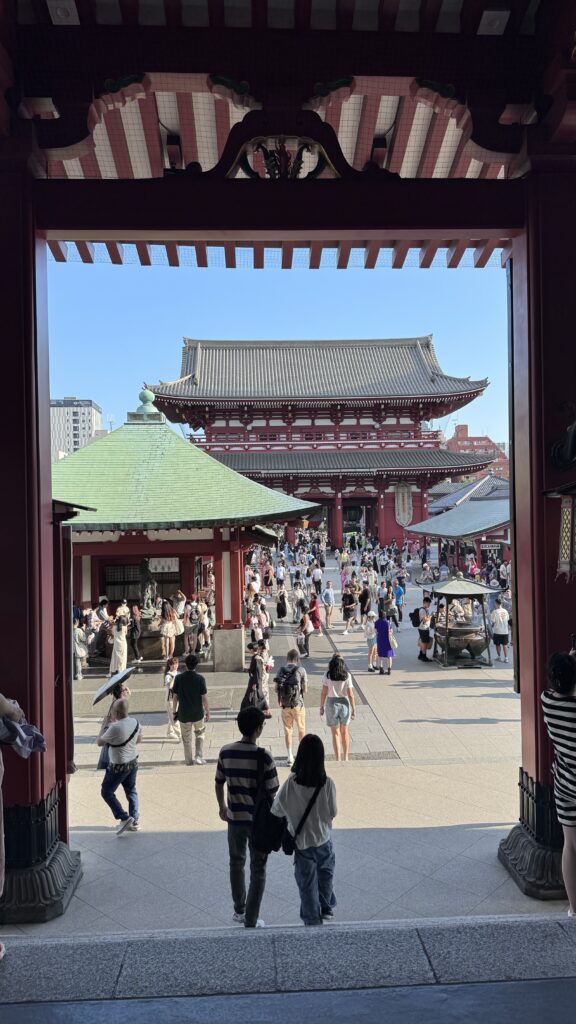
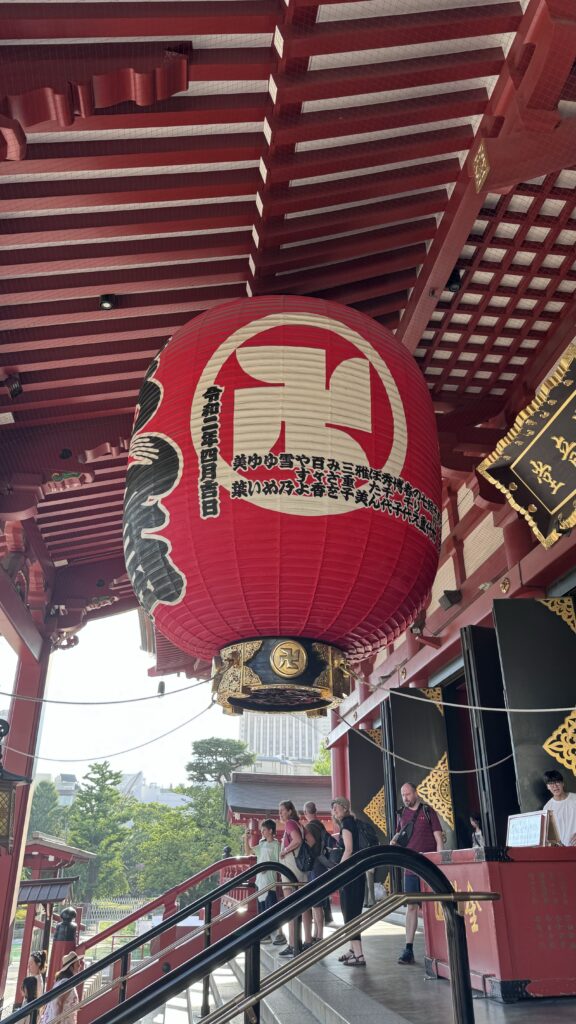
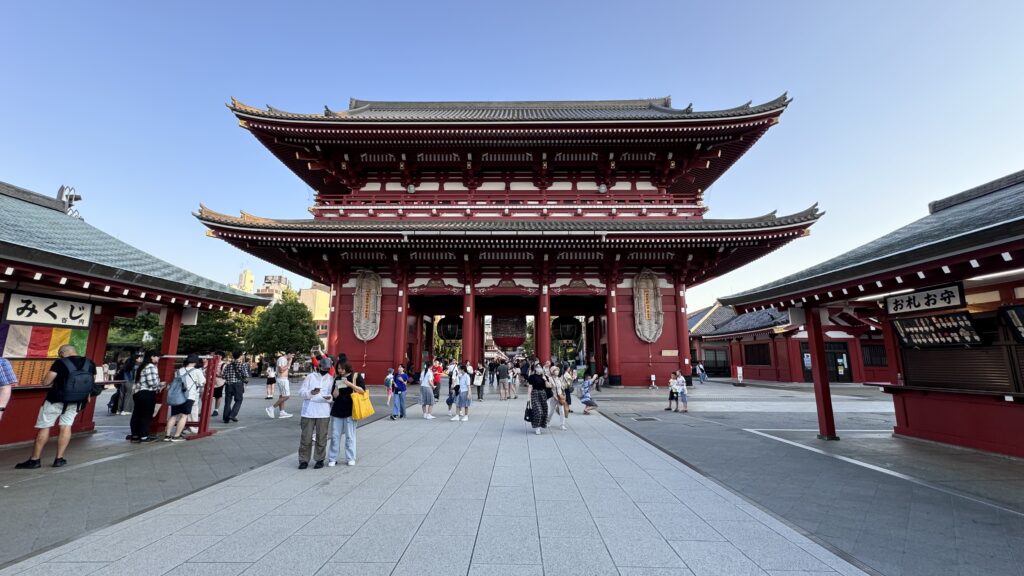
- 1. Senso-ji Temple. Tokyo’s oldest temple, reached through the Kaminarimon gate and Nakamise shopping street. Go early or after dark for fewer crowds. Allow 1.5 hours. Free. Main hall open 6:00 am to 5:00 pm (6:30 am from October to March).
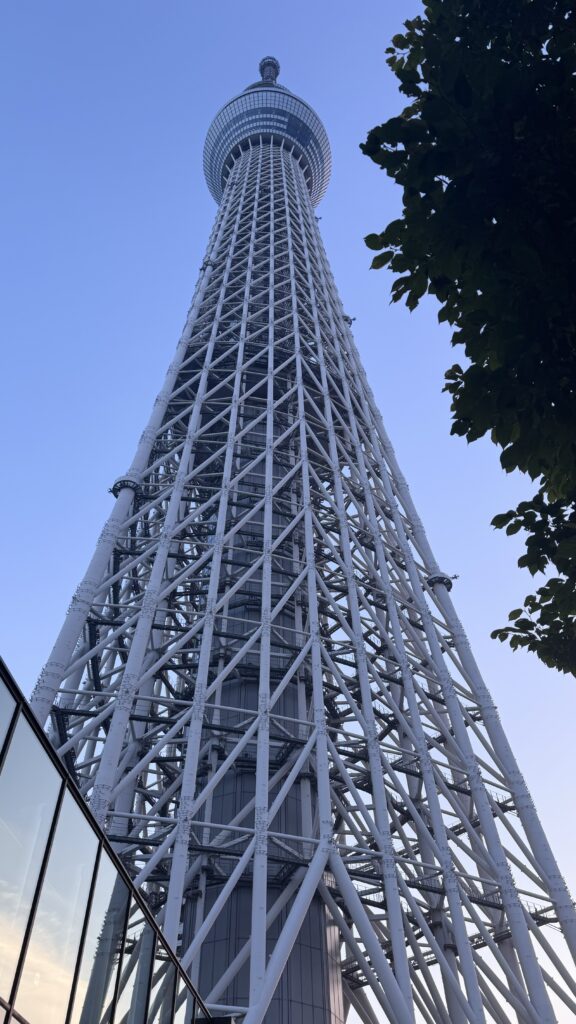
- 2. Tokyo Skytree. The tallest tower in Japan, with sweeping views. Best at sunset on a clear day. Allow 2 hours. From about 1,800 yen ($12) online; counter tickets cost about 500 yen more. Open 10:00 am to 10:00 pm.
Ueno
- 3. Ueno Park. A large park with a lake, shrines, and spring blossoms. Allow 1 to 2 hours. Free.
- 4. Tokyo National Museum. Japan’s largest collection of art and artifacts, ideal for a rainy day. Allow 2 to 3 hours. Admission is roughly 1,000 yen ($7); the museum is usually closed on Mondays.
- 5. Ameyoko Market. A lively street market for snacks, dried goods, and bargains, with several halal-friendly options nearby. Allow 1 hour. Free to walk; most stalls open late morning to early evening.
Akihabara, Imperial Palace, and Ginza
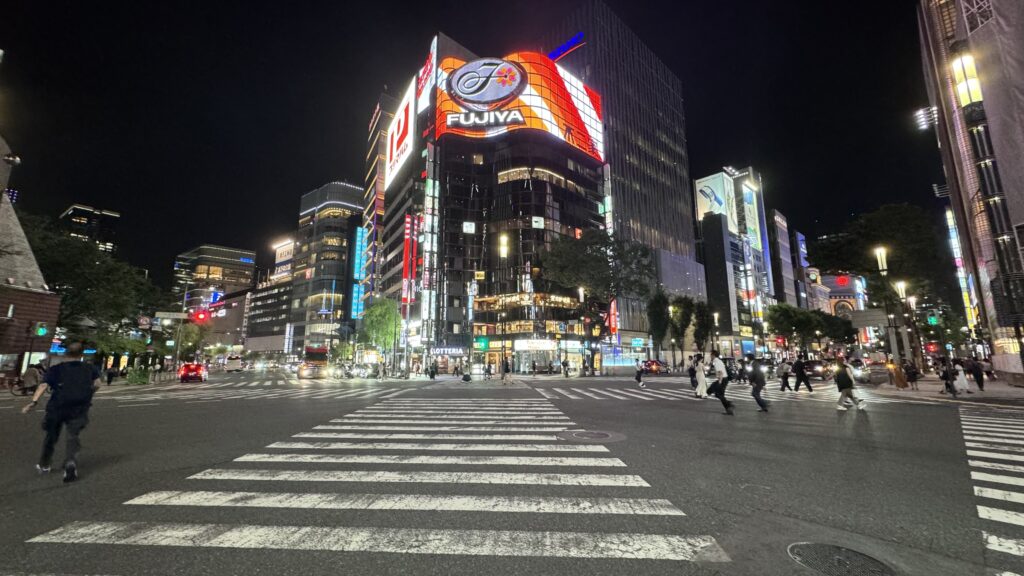
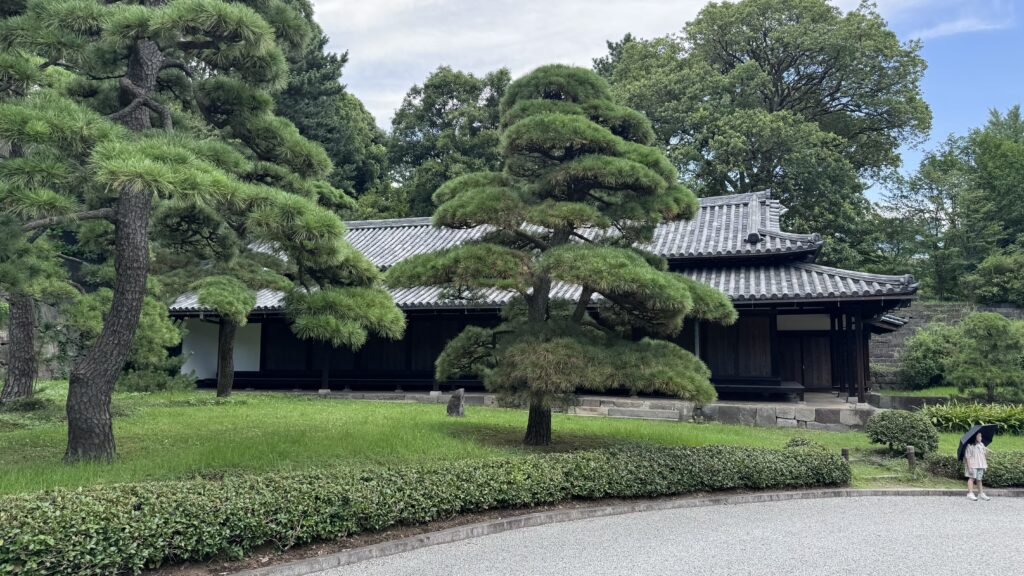
- 6. Akihabara. The center of anime, manga, games, and electronics. Best in the afternoon and evening. Allow 2 hours. Free to walk around; shops open about 10:00 am to 8:00 pm.
- 7. Imperial Palace East Gardens. Peaceful grounds on the former Edo Castle site. Allow 1.5 hours. Free. Open 9:00 am, closing between 4:00 and 6:00 pm depending on the month. Usually closed Mondays and Fridays.
- 8. Ginza. Tokyo’s upscale shopping district, best in the evening when the lights come on. Allow 2 hours. Free to browse.
- 9. Tokyo Tower. The classic red tower. Main Deck 1,500 yen ($10); Top Deck Tour 3,300 yen ($22) online. Main Deck open 9:00 am to 11:00 pm. Allow 1.5 hours.
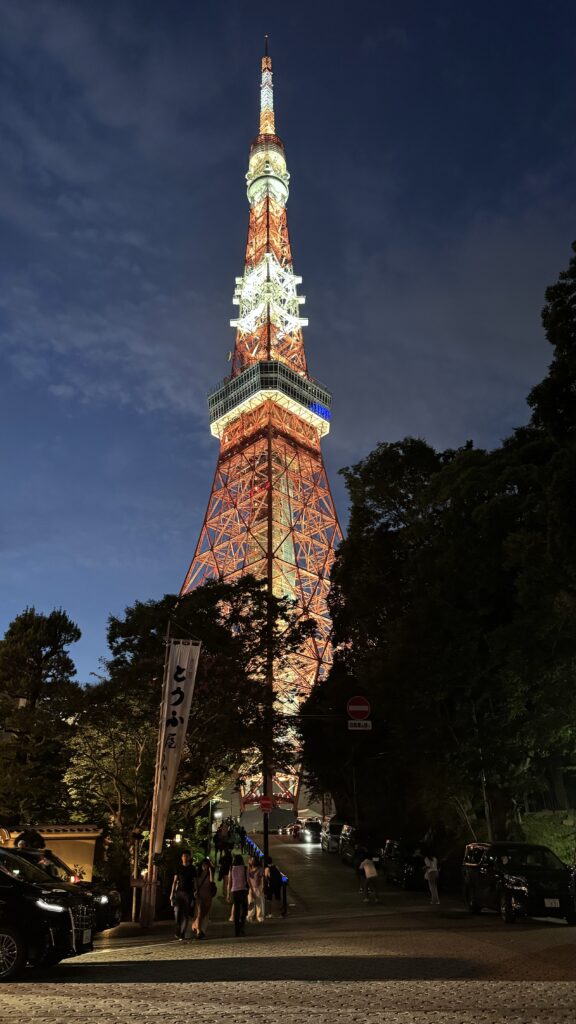
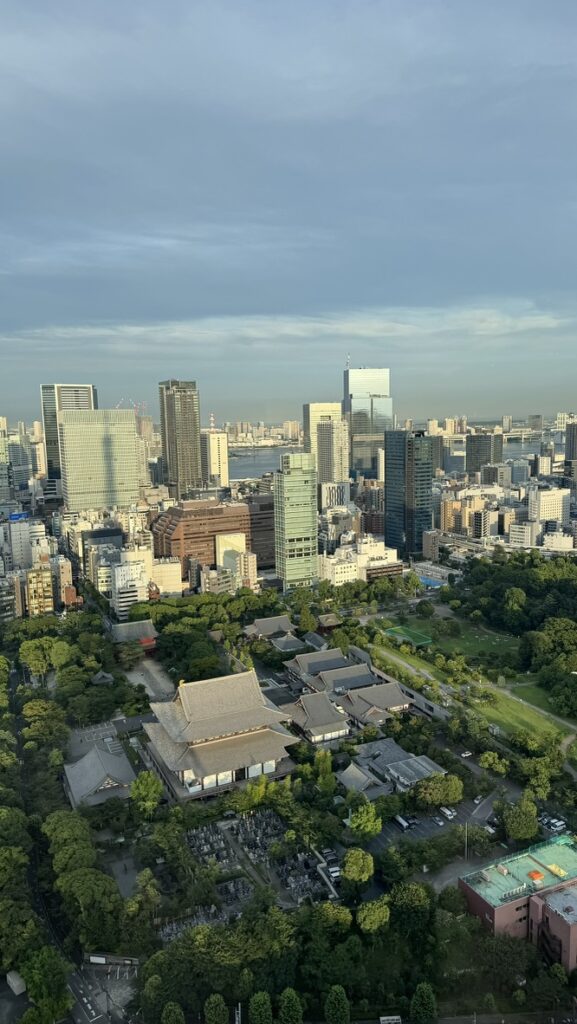
Shibuya and Harajuku
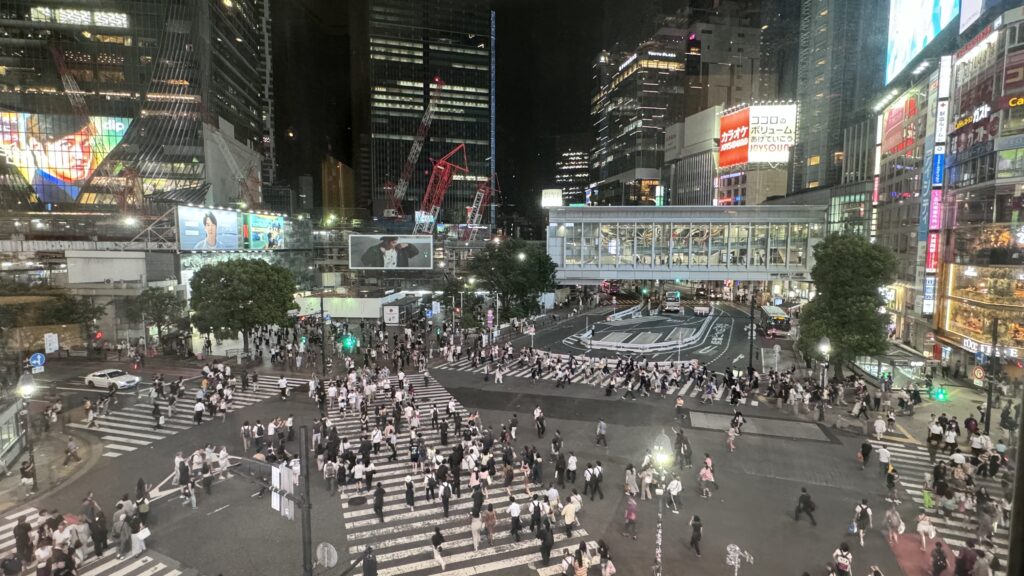
- 10. Shibuya Crossing. The world-famous intersection. Watch from the Starbucks or a nearby overlook, then walk across. Best at dusk. Allow 30 minutes. Free.
- 11. Shibuya Sky. A rooftop observation deck with open-air views. About 2,700 yen ($18) online before 3:00 pm, or 3,400 yen after. Book a sunset slot. Allow 1.5 hours.
- 12. Meiji Shrine. A forested Shinto shrine in the middle of the city. Come in the morning for calm. Allow 1.5 hours. Free, open sunrise to sunset.
- 13. Takeshita Street, Harajuku. A short, colorful street of youth fashion, crepes, and cheap fun. Visit on weekdays to avoid the crush. Allow 45 minutes. Free.
Shinjuku and Odaiba
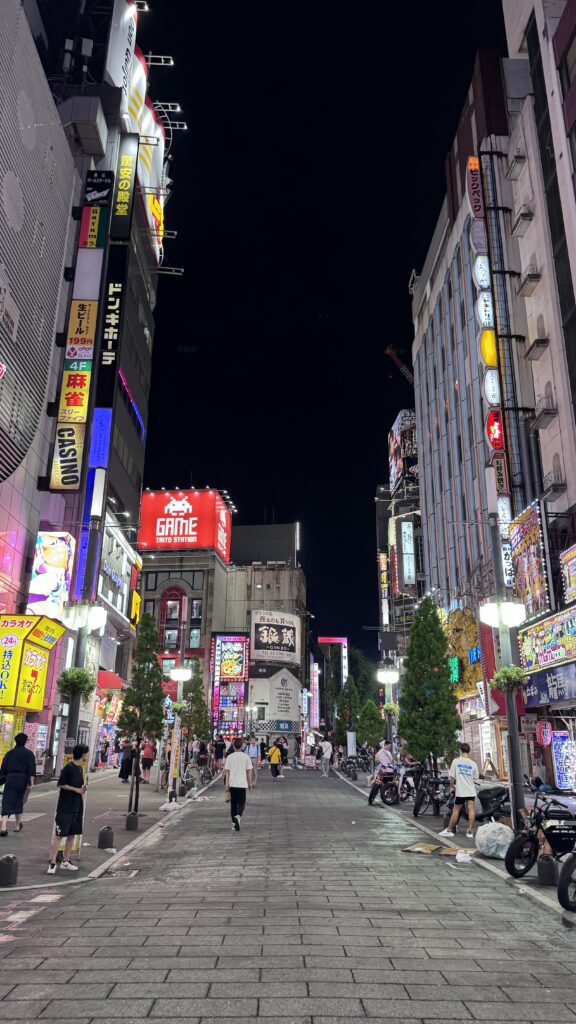
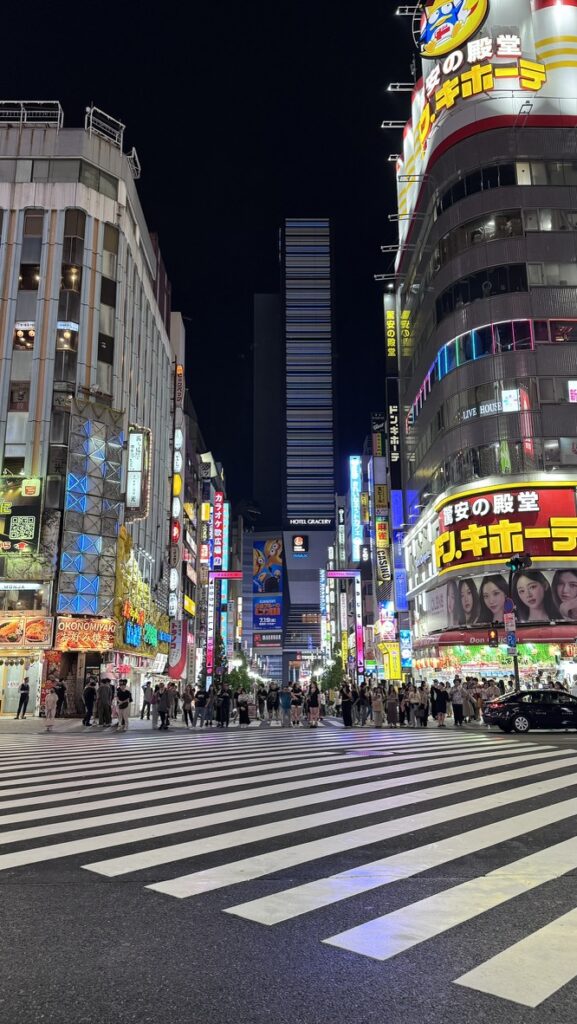
- 14. Shinjuku Gyoen. A beautiful garden with Japanese, English, and French sections. Allow 1.5 hours. About 500 yen ($3); usually closed Mondays.
- 15. teamLab Planets (Toyosu). An immersive digital art museum where you walk barefoot through water and light. Tickets run about 3,600 to 5,600 yen ($24 to $37) depending on the date and sell out, so book at least two weeks ahead. Allow 2 to 3 hours.
5 hidden gems
- Yanaka Ginza. An old-Tokyo shopping street that survived the war, with cats, snacks, and slow charm.
- Nezu Shrine. A quiet shrine with a tunnel of red gates and azalea blooms in spring.
- Shimokitazawa. A relaxed neighborhood of vintage shops, cafes, and live music.
- Kiyosumi Gardens. A tranquil stroll garden near the Sumida River, far from the tour groups.
- Todoroki Valley. A green ravine walk in Setagaya with a small shrine and a teahouse.
3 day trips from Tokyo
- Kamakura. Great Buddha, coastal temples, and hiking trails, about one hour by train.
- Nikko. Ornate shrines and mountain scenery, about two hours away. Best in fall.
- Hakone. Hot springs, lake cruises, and views of Mount Fuji on a clear day.
Tokyo Transportation: Airports, Trains, and Passes
Haneda Airport to central Tokyo
Haneda is only about 14 kilometers from the city, so most travelers arrive here. These are your main options: Our Tokyo travel guide recommends the Keikyu Line for most travelers.
| Option | Time | Fare | Best for |
| Keikyu Line | About 13 min to Shinagawa | 310 yen ($2) | Cheapest and most flexible. Connects to Shinagawa and the Yamanote Line |
| Tokyo Monorail | About 18 min to Hamamatsucho | 500 yen ($3.30) | Easy transfer to the JR Yamanote Line |
| Limousine bus | 30 to 60 min | 1,300 to 2,000 yen ($9 to $13) | Direct drop-off near some hotels with heavy luggage |
| Taxi | 20 to 45 min | 5,000 to 8,000 yen ($33 to $53) | Groups of three or four, or late arrivals |
Narita Airport to central Tokyo
| Option | Time | Fare | Best for |
| Keisei Skyliner | About 41 min to Ueno | 2,580 yen ($17) | Speed. Reaches Ueno and Nippori, then transfer |
| Narita Express (N’EX) | About 53 min to Tokyo Station | 3,140 to 3,330 yen ($21 to $22) | Direct service to Tokyo, Shinjuku, Shibuya, and Yokohama |
| Keisei Access Express | About 50 min to Asakusa | About 1,235 to 1,318 yen ($8 to $9) | Budget travelers, Asakusa hotels |
| Limousine bus | 65 to 90 min | 2,100 to 3,600 yen ($14 to $24) | Door-to-door to certain hotels |
| Taxi | Varies with traffic | 29,000 to 32,500 yen ($193 to $217) | Rarely worth it except for large groups |
Trains from Narita stop around 11:00 pm, so late arrivals may need a late-night bus or taxi. Visitors flying out of Narita within 14 days can also buy a discounted Narita Express round-trip ticket for 5,200 yen ($35). For a budget-friendly start, this Tokyo travel guide suggests the Access Express.
Train and subway systems
Tokyo has two subway operators, Tokyo Metro and Toei, plus the JR East network. The JR Yamanote Line loops around the city and links most major areas, including Tokyo, Ueno, Shinjuku, and Shibuya. Local buses fill in the gaps, and taxis are clean and safe but expensive. Every Tokyo travel guide should explain these three systems, so here is the short version.
Which pass or card should you use?
| Option | Cost | Notes |
| Suica or Pasmo IC card | 500 yen deposit (physical card) plus your top-up | Works on nearly all trains, subways, and buses, and in many shops. iPhone users can add Welcome Suica Mobile for free, with no deposit. Android users need a physical card |
| Tokyo Subway Ticket | About $5 (24 hr), $8 (48 hr), $10 (72 hr) | Unlimited rides on Tokyo Metro and Toei lines only, so it does not cover JR lines. Buy in advance and exchange the voucher at a subway station |
| JR Pass (nationwide) | Roughly 50,000 yen for 7 days | Rarely worth it for a Tokyo-focused trip. Only consider it for several long Shinkansen rides |
Our recommendation: use a Suica card for everything, and add the Tokyo Subway Ticket only if you plan heavy subway days. That is the simplest advice in this Tokyo travel guide.
How to Get Around Tokyo
- Read the maps. Every line has a color and letter, and every station has a number, such as G-09 on the Ginza Line. Follow the numbers and you cannot get lost.
- Use the right apps. Google Maps works well for transit. Japan Transit Planner and NAVITIME give platform numbers and last-train times.
- Avoid rush hour. Trains are packed from about 7:30 to 9:30 am and 5:00 to 8:00 pm. Some lines have women-only cars at certain hours.
- Know the last train. Most lines stop between about 11:30 pm and 12:30 am, with no overnight trains. Check before dinner, not after.
- Handle big stations. Shinjuku and Tokyo Station are mazes. Allow extra time, follow the line color signs, and note your exit number before you walk.
- Send your bags ahead. Takkyubin luggage forwarding delivers suitcases to your hotel, usually the next day. Coin lockers at stations cost roughly 400 to 1,000 yen depending on size.
- Accessibility. Most stations have elevators and tactile paths. Look for the elevator signs, and ask station staff for help.
Sample one-day route: Asakusa to Ueno to Akihabara
Take the Ginza Line to Asakusa for Senso-ji in the morning, ride one stop to Ueno for the park and the museum, then walk or ride the Yamanote Line to Akihabara for the afternoon. Finish with dinner in Shinjuku or Shibuya using the Yamanote Line. This sample day is a good model for planning the rest of your Tokyo travel guide itinerary.
Where to Stay in Tokyo: Areas and Hotels
| Area | Best for | Why | Trade-off |
| Asakusa | Budget, first-timers | Traditional feel, Senso-ji, Access Express from Narita | Quieter at night, fewer lines |
| Shinjuku | Transit access, nightlife | Huge station, direct lines everywhere | Busy and large |
| Shibuya | Trendy travelers | Shopping, dining, Tokyo Camii nearby | Pricey and crowded |
| Ueno | Airport access, museums | Skyliner stop, parks, budget hotels | Slightly older area |
| Tokyo Station and Ginza | Day trips, luxury | Shinkansen, upscale shops | Higher prices |
Approximate nightly prices below are for a standard room and change by season, so check current rates. Our Tokyo travel guide picks hotels near major stations.
Budget (about $60 to $100)
- Toyoko Inn: a reliable chain with several Tokyo branches and free breakfast.
- Sotetsu Fresa Inn: clean, compact business hotels in Ginza and other areas.
- Khaosan Tokyo: friendly hostel-style stays with private rooms in Asakusa and nearby.
Mid-range (about $130 to $220)
- Hotel Gracery Shinjuku: a central stay known for its Godzilla head, close to the station.
- Shibuya Excel Hotel Tokyu: directly above Shibuya Station, ideal for easy transit.
- Hotel Sunroute Plaza Shinjuku: a practical base with quick access to rail lines.
Luxury (from about $400)
- Park Hyatt Tokyo: a classic high-rise hotel in Shinjuku.
- The Imperial Hotel Tokyo: a historic hotel beside the Imperial Palace and Ginza.
- Aman Tokyo: an ultra-luxury option in Otemachi, with prices well above the others.
Other stay options
- Capsule hotels. Cheap and fun for one night; check whether women-only floors and noise policies suit you.
- Ryokan. A traditional inn with futon beds and often a communal bath. Hoshinoya Tokyo is a well-known luxury example.
- Apartments. Good for families, kitchens, and longer stays, particularly if you want to cook halal meals.
Booking tips
- Book 2 to 3 months ahead for spring and fall.
- Choose free-cancellation rates, and stay within a 10-minute walk of a major station.
- Ask the front desk for a prayer mat and qibla direction. Many hotels will help if you request in advance.
Halal Food and Prayer Spaces in Tokyo
Halal options in Tokyo are growing fast, but they are not everywhere. A little planning goes a long way. This Tokyo travel guide lists the areas, restaurants, and prayer spaces to know.
- Shin-Okubo. Many halal South Asian restaurants and grocery stores near the station. Meals run about 800 to 1,500 yen ($5 to $10).
- Asakusa. Naritaya Halal Ramen near Senso-ji is certified, and Sekai Cafe and a halal takoyaki shop are also listed.
- Shinjuku and Ueno. Halal wagyu ramen in Shinjuku, and Ayam-Ya in Ueno, plus South Asian restaurants near Ameyoko Market.
- Shibuya. Halal yakiniku restaurants and Tokyo Camii, a mosque with a halal market on the ground floor.
Prayer spaces
- Tokyo Camii in Shibuya holds the five daily prayers and Friday Jumu’ah. It is about a 10-minute walk from Yoyogi-Uehara Station.
- Haneda has prayer rooms with wudu facilities in all terminals. Narita Terminals 1 and 2 also have prayer rooms with ablution.
- Some restaurants, such as Honolu Ramen, provide prayer mats for guests.
How to verify halal
- Look for a certificate near the entrance, and check who issued it. JIT is widely trusted in Japan.
- Use Halal Gourmet Japan, which separates certified, Muslim-friendly, and self-declared places.
- Remember that Google Maps does not tell certified and self-declared apart.
- Ask about mirin and sake in sauces, even at Muslim-friendly restaurants.
- At convenience stores, plain salmon, tuna, or umeboshi onigiri and fresh fruit are generally safe. Skip hot-counter fried food and check labels for “buta” (pork) and “rado” (lard).
Useful phrases: “buta nashi” means no pork, “arukoru nashi” means no alcohol, and “Halaru desu ka?” asks if something is halal. Save these in your Tokyo travel guide notes before you go.
Tokyo Travel Tips
- Etiquette. Keep quiet on trains and avoid phone calls, remove shoes when asked, queue patiently, and carry your trash because public bins are rare. Tipping is not expected.
- Money. Cards are widely accepted, but carry cash for small shops, shrines, and some restaurants. Seven Bank ATMs in 7-Eleven stores accept foreign cards.
- Tax-free shopping is changing. From November 1, 2026, tourists pay the full tax-inclusive price in the store and claim the refund when leaving Japan, using a customs terminal or Visit Japan Web. The 5,000 yen minimum at one store on one day still applies, and you must carry the items out of the country. Ask for a passport stamp on arrival.
- Stay connected. Install an eSIM before you land, or rent pocket Wi-Fi at the airport.
- Safety. Tokyo is very safe. For emergencies, call 110 for police and 119 for fire or ambulance. The Japan National Tourism Organization runs a 24-hour visitor hotline at 050-3816-2787.
- Entry. US citizens can generally enter without a visa for up to 90 days. Complete Visit Japan Web before arrival for faster immigration and customs, and confirm current rules on official sources.
Common mistakes to avoid
- Packing too much into one day. Tokyo is bigger than it looks.
- Missing the last train, or visiting on a Monday when many museums and gardens close.
- Buying a JR Pass you do not need.
- Trusting a “halal” label without checking who certified it.
- Waiting too long to book teamLab, Skytree, or Shibuya Sky.
5-Day Tokyo Itinerary
Day 1: Arrival, Asakusa, and Skytree
Arrive at Haneda, take the Keikyu Line, and check in. In the afternoon, visit Senso-ji and Nakamise Street, then have halal ramen nearby. End at Tokyo Skytree for sunset views. This Tokyo travel guide itinerary starts easy on purpose.
Day 2: Meiji Shrine, Harajuku, and Shibuya
Start early at Meiji Shrine, then walk to Takeshita Street. Have lunch in Harajuku. Visit Shibuya Sky at sunset, cross the famous intersection, and pray and eat dinner at Tokyo Camii or a halal restaurant in Shibuya.
Day 3: Ueno, Akihabara, and the Imperial Palace
Spend the morning at Ueno Park and the Tokyo National Museum, then snack at Ameyoko. Head to Akihabara in the afternoon and finish with a stroll through the Imperial Palace East Gardens, closed Mondays and Fridays, so adjust if needed.
Day 4: Day trip to Kamakura or Nikko
Take a train to Kamakura for the Great Buddha and coastal temples, or to Nikko for ornate shrines. Return by evening and relax in Shinjuku.
Day 5: teamLab, Ginza, and departure
Visit teamLab Planets in the morning, then browse Ginza for souvenirs, and keep your tax-free receipts in order. Head to the airport with at least three hours to spare for international flights. That wraps up your Tokyo travel guide plan.
Tokyo Travel FAQ
How many days do you need in Tokyo?
Plan four to five days to see Tokyo’s main areas without rushing. Three days covers the highlights, such as Asakusa, Shibuya, and Shinjuku. Add a day or two for a day trip to Kamakura or Nikko, or if you prefer a slower pace with long meals, museums, and shopping. Our Tokyo travel guide itinerary above fits five days.
When is the best time to visit Tokyo?
Late March to early April brings cherry blossoms, and October to November brings mild weather and fall color. Both seasons are busy. Summer is hot and humid, with a rainy spell in June and July. Winter is dry, sunny, and cold, with smaller crowds and lower hotel prices. See the season table in this Tokyo travel guide for details.
Is Tokyo expensive for tourists?
Tokyo can fit most budgets. Budget on about $70 to $110 per person daily for food, transit, and sights, plus your hotel. Many top attractions, including Senso-ji and Meiji Shrine, are free. Convenience store meals, ramen shops, and day passes keep costs low without sacrificing the experience.
How do I get from the airport to central Tokyo?
From Haneda, the Keikyu Line reaches Shinagawa in about 13 minutes for 310 yen. From Narita, the Keisei Skyliner reaches Ueno in roughly 41 minutes for 2,580 yen, while the Narita Express runs to Tokyo, Shinjuku, and Shibuya. Taxis cost far more, especially from Narita. The tables in this Tokyo travel guide compare every option.
Is a JR Pass worth it for a Tokyo trip?
Usually not. The nationwide JR Pass pays off only if you take several long Shinkansen trips in a short window. For a Tokyo-focused trip with a day trip or two, a Suica card plus individual tickets is cheaper. Compare your planned routes against current pass prices before buying.
Do US citizens need a visa for Japan?
US citizens can generally visit Japan for tourism without a visa for up to 90 days. You need a valid passport, and you should complete Visit Japan Web before landing to speed up immigration and customs. Entry rules can change, so confirm them on official Japanese government sources before you travel.
Is it easy to find halal food in Tokyo?
It is easier than ever. Areas like Shin-Okubo, Asakusa, Shinjuku, Ueno, and Shibuya have halal restaurants, and Tokyo Camii has a halal market. Choose certified restaurants for meat, since Muslim-friendly places may not use halal-slaughtered meat. Always confirm ingredients such as mirin and sake in sauces. Our Tokyo travel guide halal section lists areas and verification tips.
Is Tokyo safe for tourists?
Tokyo is one of the safest big cities in the world, with low violent crime and reliable public transport. Normal precautions still apply: watch your belongings in crowds and carry your passport details. Learn the emergency numbers, 110 for police and 119 for fire or ambulance, and save your hotel address.
Should I use a Suica card or a Tokyo Subway Ticket?
A Suica or Pasmo card is the simplest choice because it works on trains, subways, and buses, plus many vending machines and shops. The Tokyo Subway Ticket only covers Tokyo Metro and Toei lines but can save money if you ride the subway a lot. Many visitors carry both.
Final Thoughts on Planning Your Tokyo Trip
This Tokyo travel guide should give you the confidence to plan your own trip, from landing at Haneda to your last bowl of halal ramen. Start with a Suica card, group sights by area, book popular tickets early, and leave room for wandering. Have a question or a favorite spot we missed? Leave a comment below, and subscribe to Travel By Deen for more Japan travel guides.
Last updated: October 2026. We refresh this Tokyo travel guide every six months.